
Join Low Voltage Nation — Find project opportunities and showcase your company to thousands of industry professionals
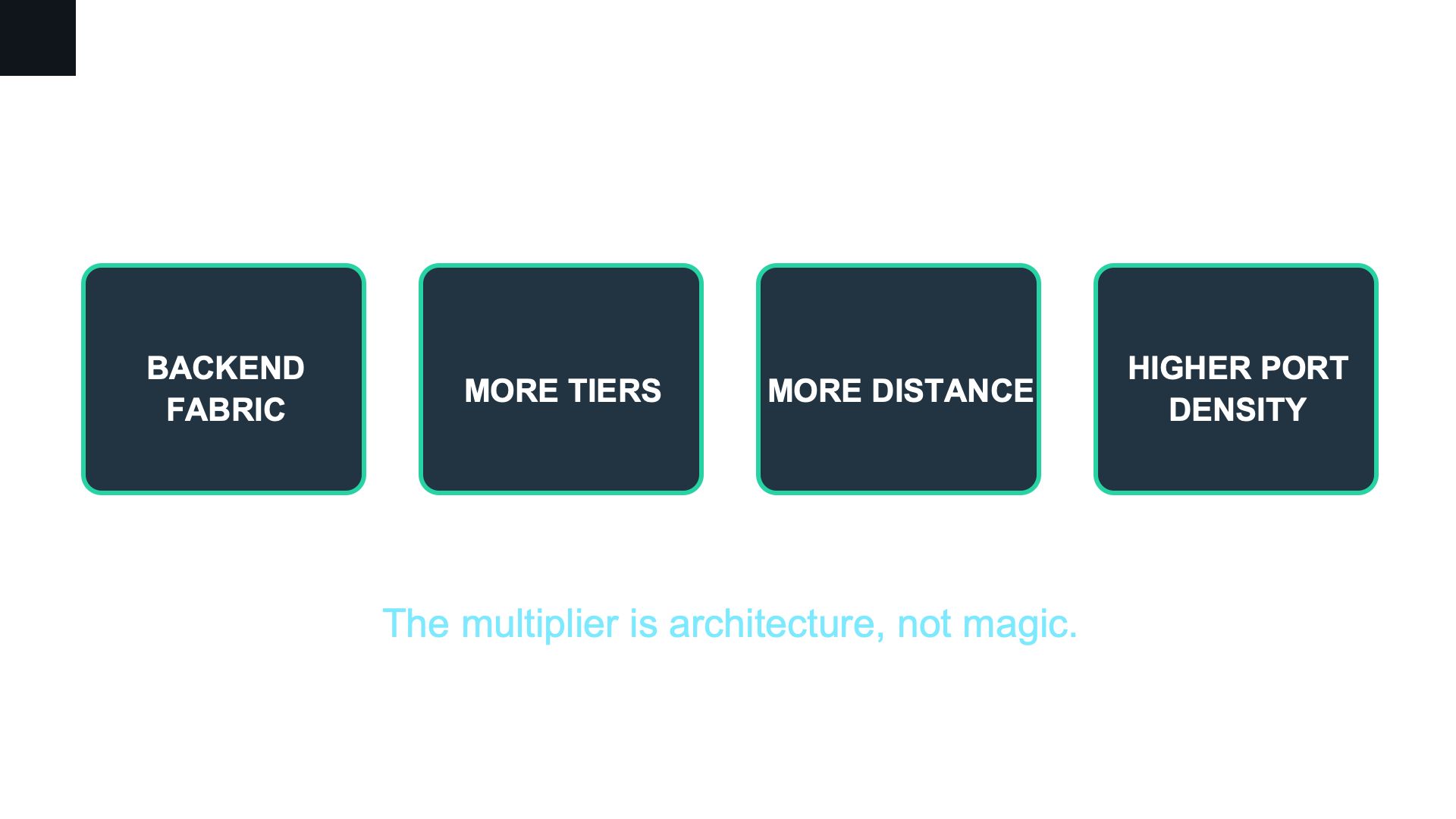
AI does not have a special appetite for glass. Distributed compute adds a backend fabric, more tiers, more distance, and far less room for casual workmanship.
AI does not have a special appetite for glass. Distributed compute adds a backend fabric, more tiers, more distance, and far less room for casual workmanship.
The stakes
The fiber plant is becoming part of the machine
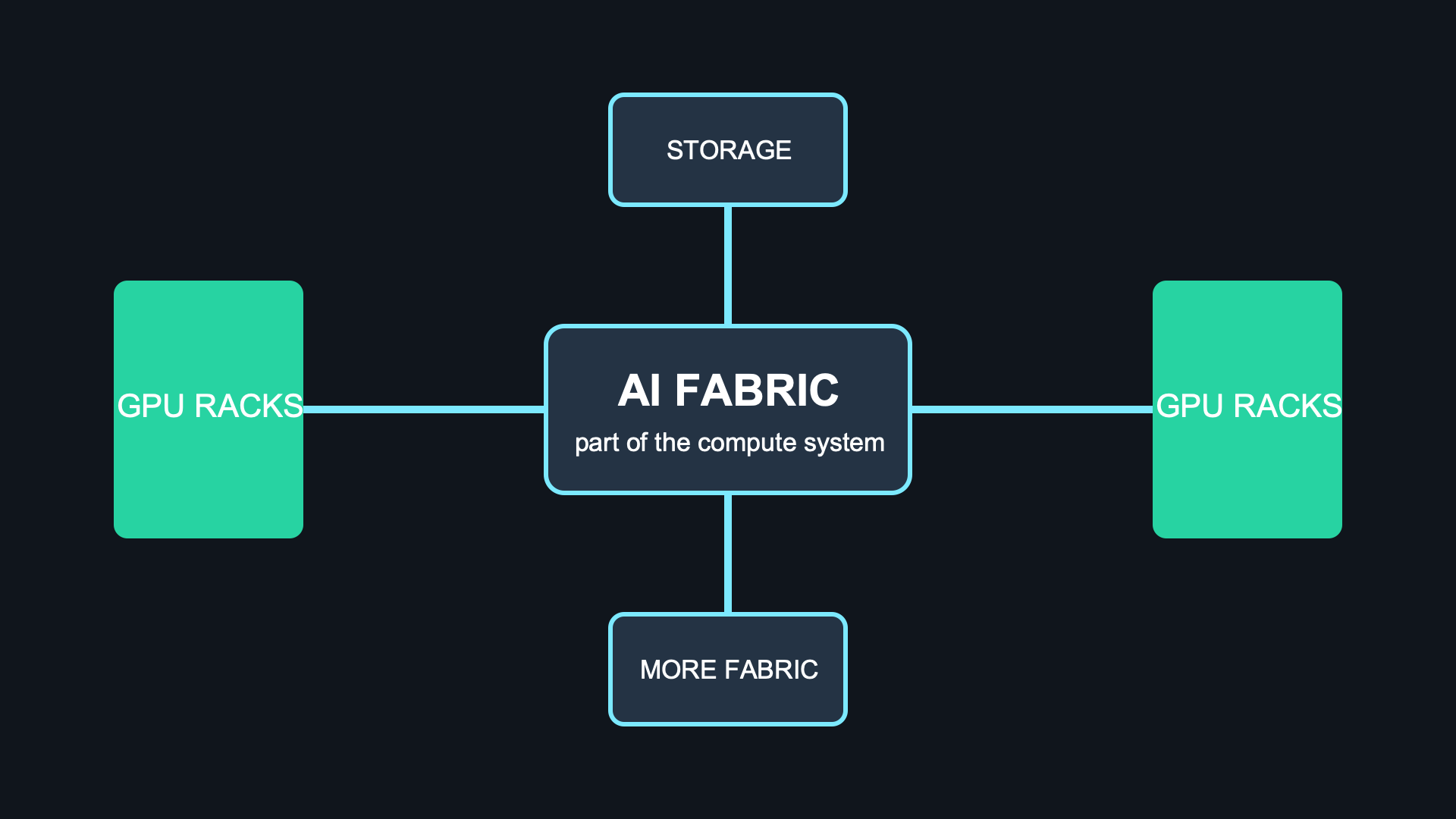
An AI data center can put tens of thousands of GPUs behind one training job. Those GPUs are expensive, power-hungry, and completely unimpressed by a slow network. If the fabric cannot keep up, the compute waits. That is why the fiber plant is becoming part of the machine, not just the plumbing around it.
The answer
Four physical multipliers
AI does not have a special appetite for glass. Distributed accelerators create a backend network, the network grows through tiers and distance, and optics takes over beyond copper's short-link neighborhood.
AI does not need fiber by magic. The architecture creates the demand.
Multiplier one
Scale-up ends. Scale-out begins.
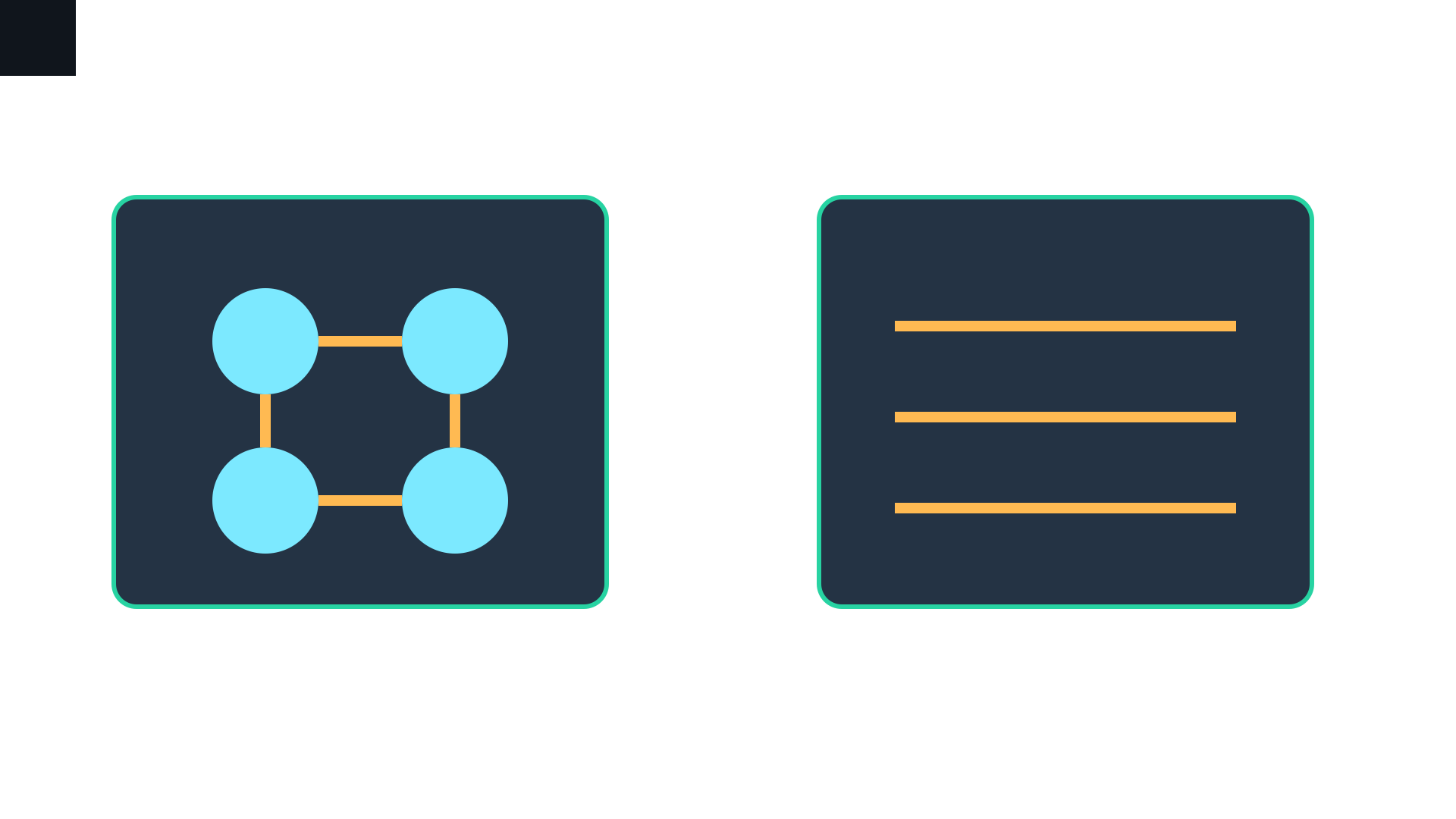
A server may have four or eight GPUs on short electrical interconnects. Once a job expands across servers, it enters a scale-out network that coordinates thousands of endpoints.
Evidence: SRC-013
Reach
Copper owns meters. Optics owns the map.
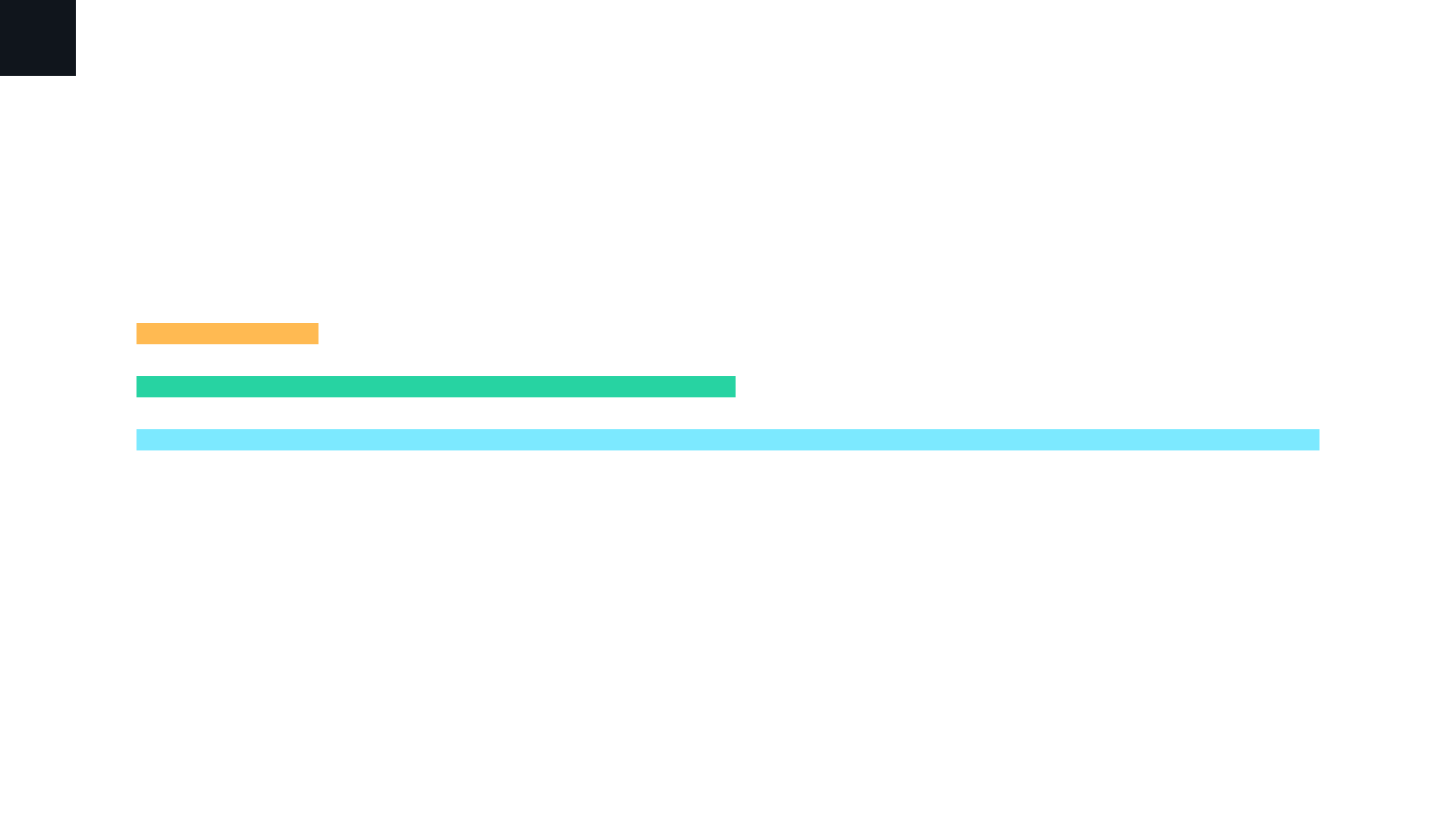
Meta's 2024 clusters used 24,576 H100 GPUs and 400G endpoints. Copper serves the shortest links, while optical options extend across rows, halls, and campuses.
Topology
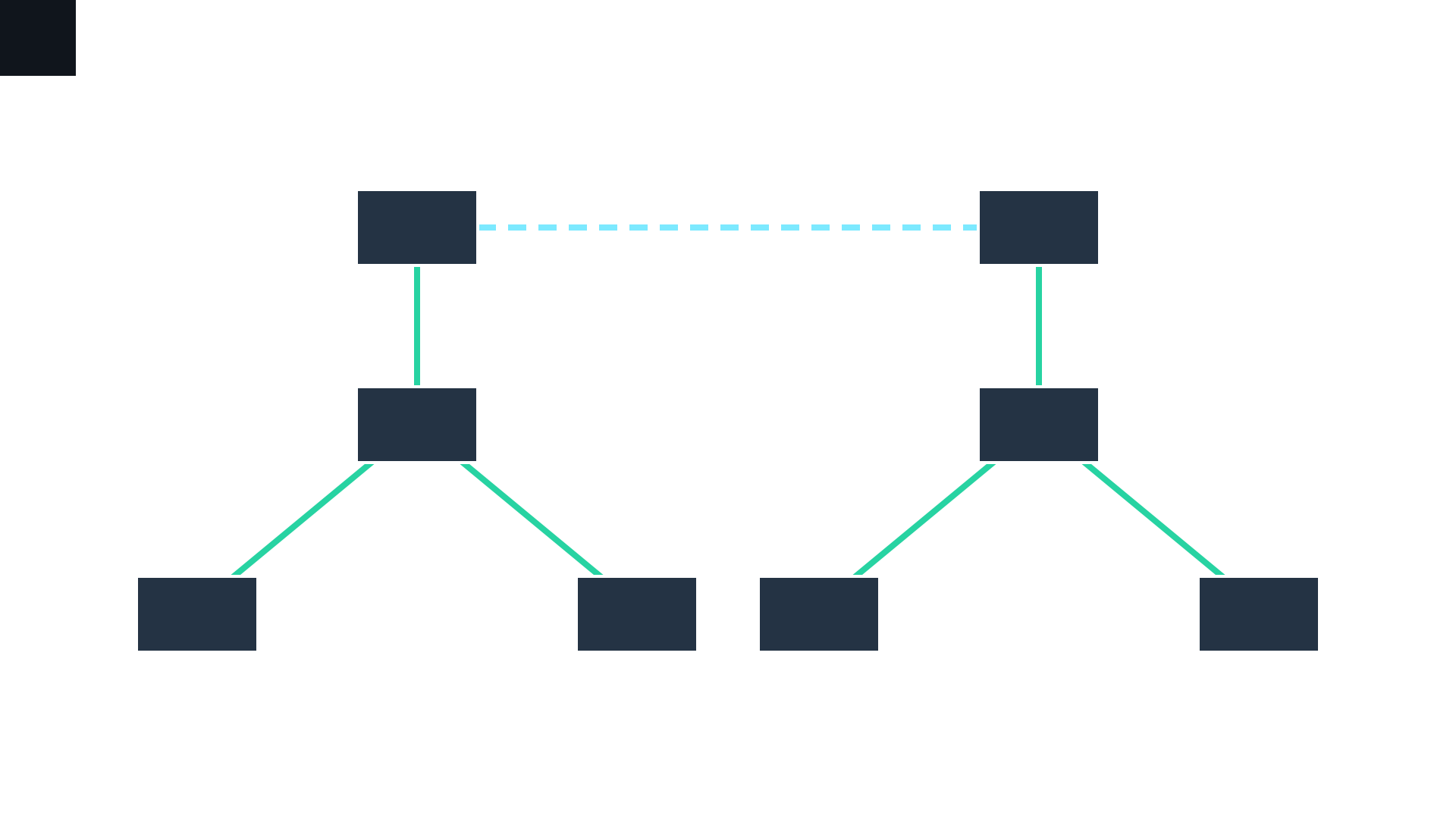
Every tier creates another field of links
Leaf, spine, redundant planes, second stages, and super-spines each add another set of physical links. Meta's published scheduled fabric shows the multiplier directly.
Evidence: SRC-004
Campus scale
Several buildings become one compute cluster
Prometheus extends the fabric across several buildings and tens of thousands of GPUs. Meta says its inter-region topology depends partly on fiber availability.
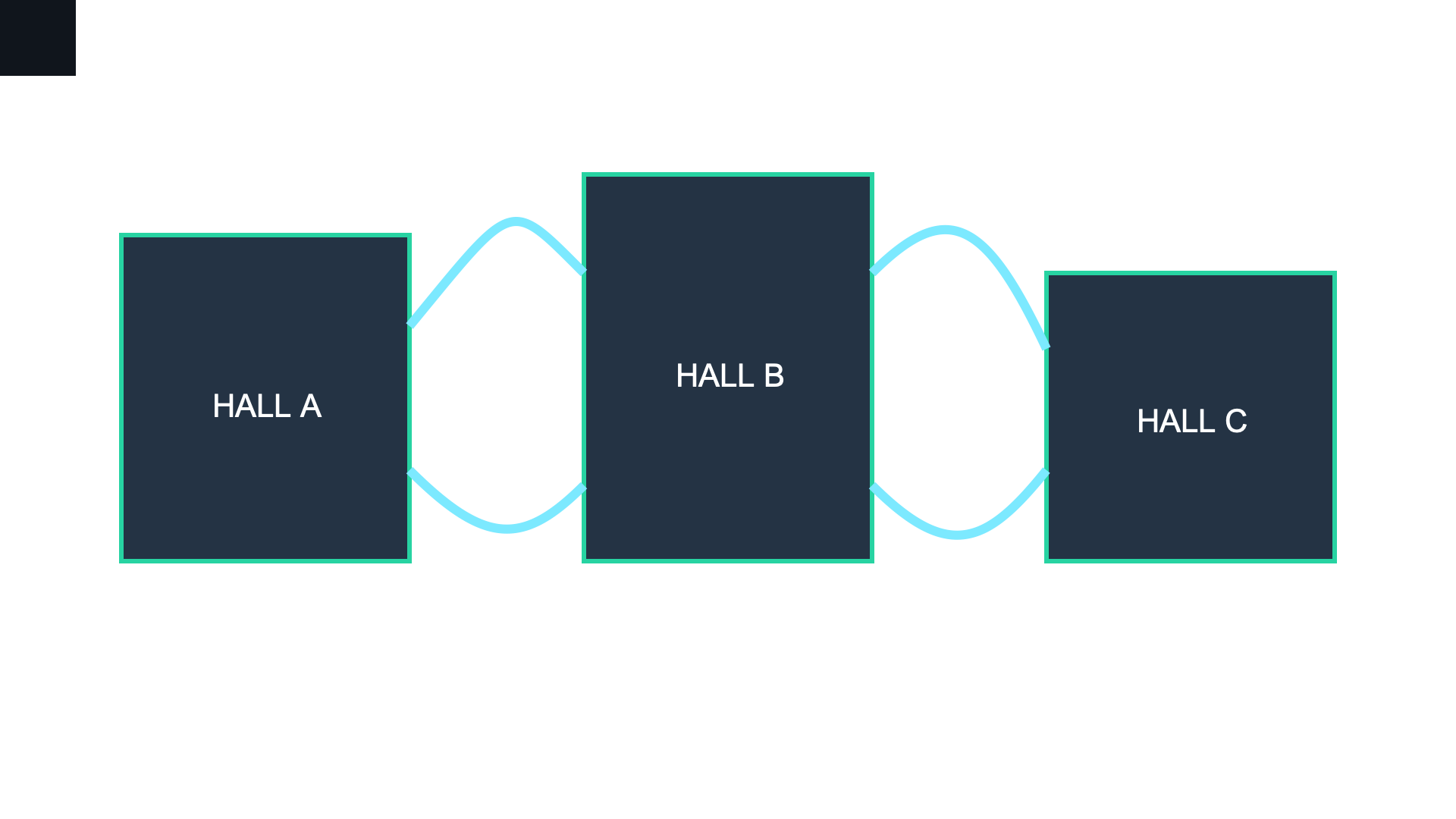
Meta describes a multi-building backend fabric. These are architecture markers, not an LVN fiber-count estimate. Sources: SRC-005
Evidence: SRC-005
Density
One switch can terminate a wall of bandwidth
IEEE standardized 800G Ethernet physical layers, and one current switch chip supports configurations up to 64 ports of 800G. Density turns more cable into a mapping and workmanship problem.
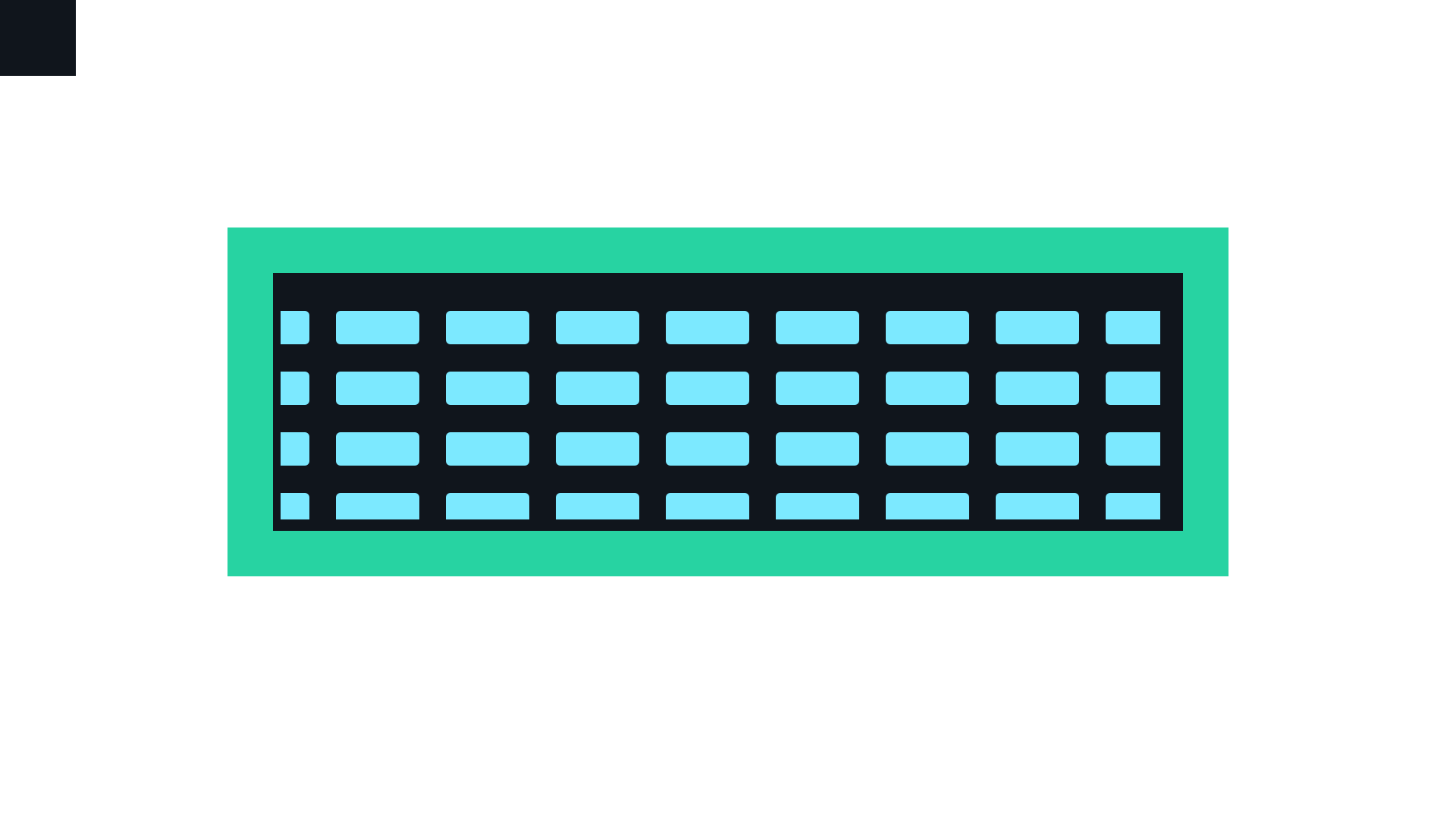
Port count rises as per-port line rate falls. This compares supported configurations, not simultaneous ports. Sources: SRC-009
Physical layer
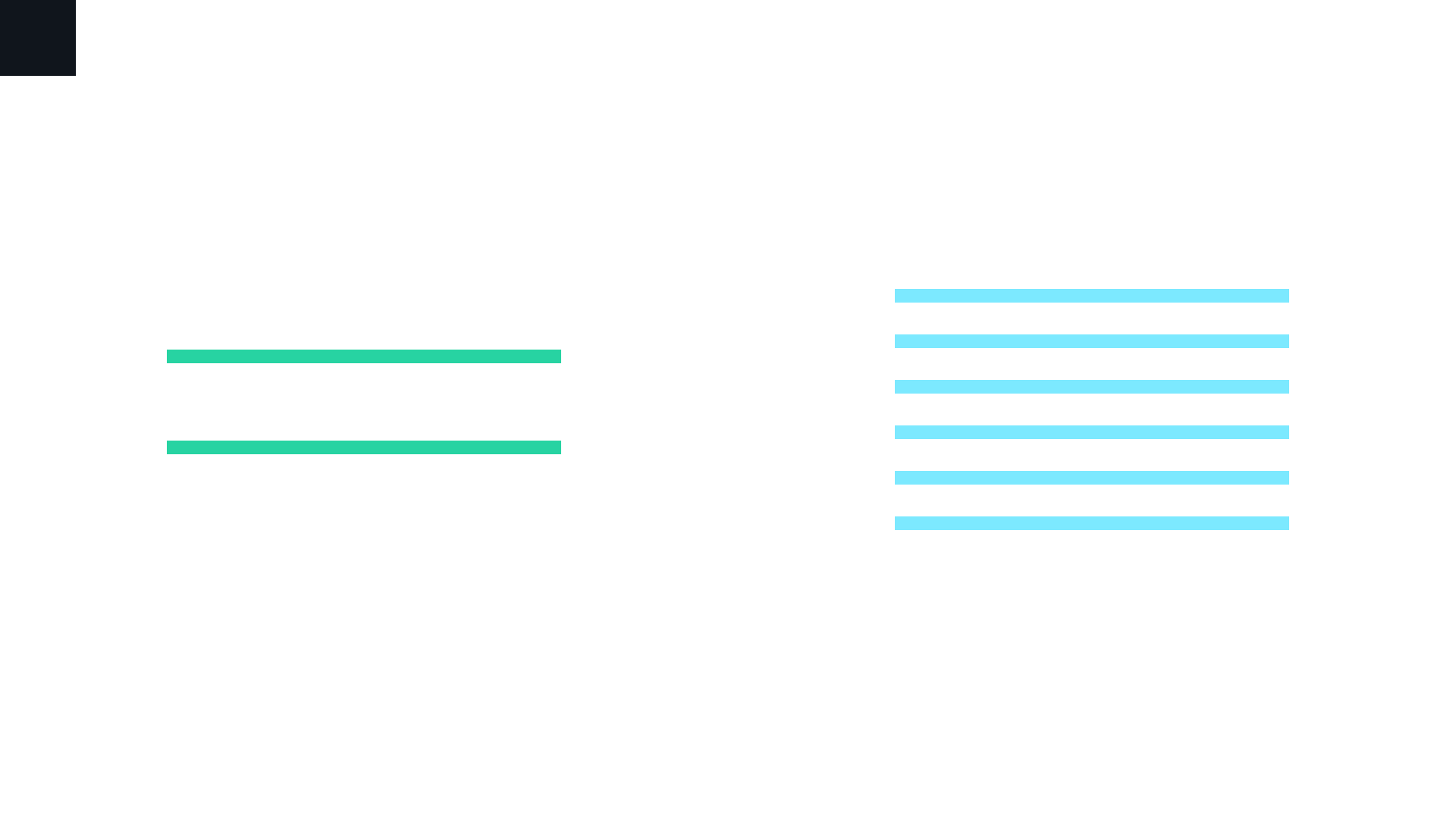
One port does not always mean two strands
One port does not always mean two strands. Duplex and parallel optics can deliver comparable line rates through different connector and strand arrangements.
Loss budget
Every mated pair spends margin
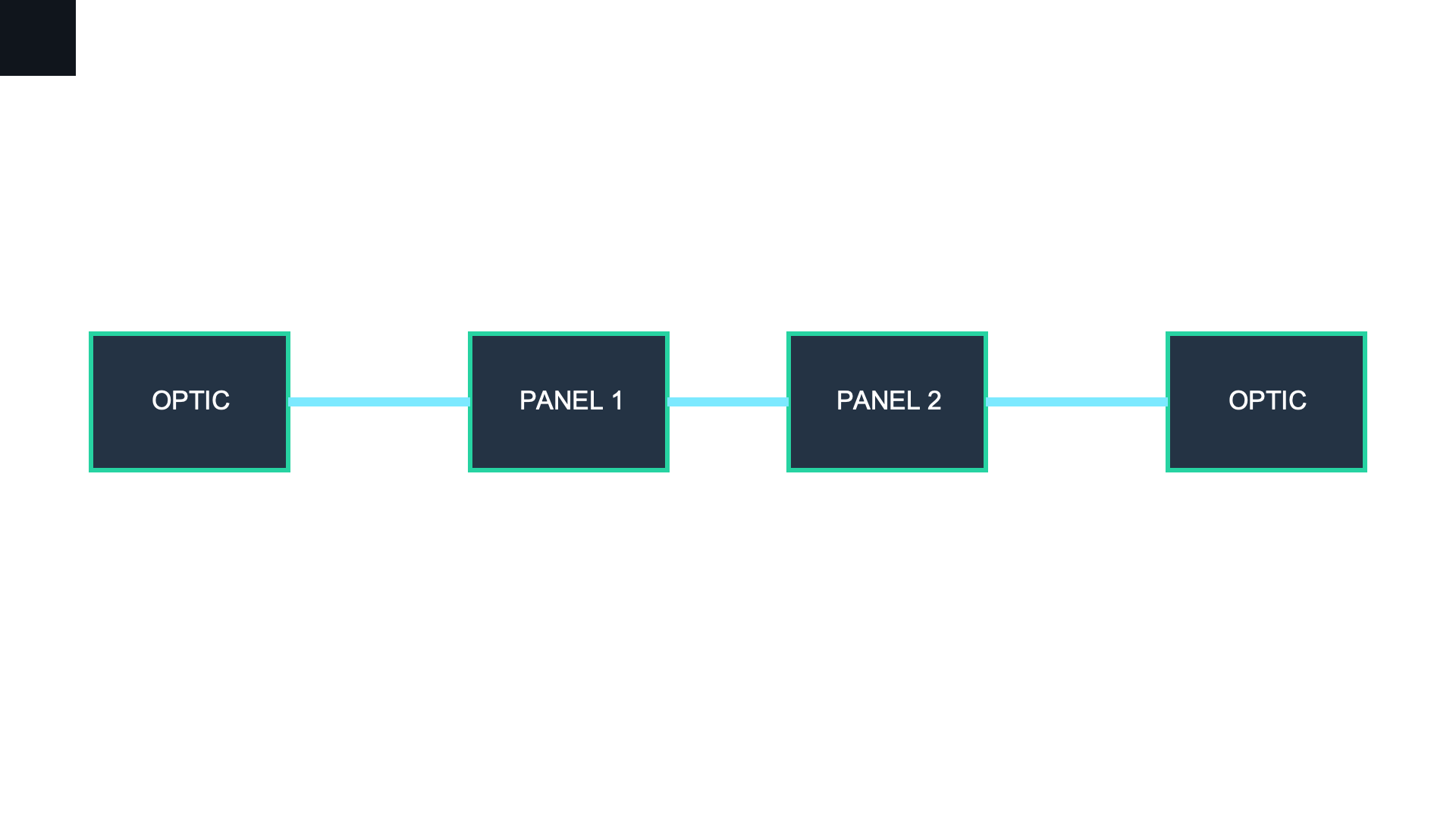
Patch panels improve serviceability, but every mated pair spends loss margin. Cleaning, polarity, bend control, and test records become turnover requirements, not nice extras.
Evidence: SRC-002
The trade
The opportunity starts before the pull
The contractor's value is turning a topology into a buildable, testable, serviceable plant through pathway, polarity, cleanliness, labels, testing, and documentation.
LVN Signal
Find the work while it is still being planned
LVN Signal tracks early-stage project data from permits and public filings before projects are reduced to bid-board listings. Start the free trial. No demo circus.
Evidence:
The takeaway
Same trade. Less room for sloppy work.
Distributed compute creates a backend fabric. Tiers, planes, distance, and port speed multiply optical connectivity. There is no universal multiplier, but there is less tolerance for casual workmanship.
Sources
- SRC-001 · NVIDIA Announces New Switches Optimized for Trillion-Parameter GPU Computing and AI Infrastructure · NVIDIA Newsroom · primary
- SRC-002 · NVIDIA Interconnect Structured Cabling Requirements for InfiniBand XDR/NDR and 400/800G ETH Solutions · NVIDIA Networking Documentation · primary
- SRC-003 · Building Meta's GenAI Infrastructure · Engineering at Meta · primary
- SRC-004 · Disaggregated Scheduled Fabric: Scaling Meta's AI Journey · Engineering at Meta · primary
- SRC-005 · Building Prometheus: How Backend Aggregation Enables Gigawatt-Scale AI Clusters · Engineering at Meta · primary
- SRC-006 · IEEE 802.3df-2024: 400 Gb/s and 800 Gb/s Ethernet · IEEE Standards Association · primary
- SRC-007 · Scaling ML Workloads with Google's Evolving Data Center Network Architecture · Google Research · primary
- SRC-008 · Jupiter Evolving: Transforming Google's Datacenter Network via Optical Circuit Switches and Software-Defined Networking · Google Research / ACM SIGCOMM · primary
- SRC-009 · BCM78900 51.2 Tb/s StrataXGS Tomahawk 5 Ethernet Switch · Broadcom · primary
- SRC-010 · Embracing 400G and 800G Ethernet · Arista Networks · primary
- SRC-011 · 2025 Data Center Trends and Industry Predictions · Corning Optical Communications · primary
- SRC-012 · Multicore Fiber for AI-Scale Data Halls: A Lower-Carbon Path to Density, Speed, and Scalability · Corning Optical Communications · primary
- SRC-013 · RDMA over Ethernet for Distributed AI Training at Meta Scale · Meta / ACM SIGCOMM · primary
- SRC-014 · NVIDIA LinkX Cables and Transceivers · NVIDIA · primary
- SRC-015 · MMS4X00-NS 800Gbps Twin-port OSFP 2x400Gb/s Single Mode 2xDR4 100m · NVIDIA Networking Documentation · primary
Join 35,000+ Low Voltage Pros
Get weekly permit updates, tool deals, job opportunities, and industry news. No spam, unsubscribe anytime.