
Join Low Voltage Nation — Find project opportunities and showcase your company to thousands of industry professionals
The $699 AI Multi Sensor 2 delivers 16MP dual-lens coverage with PoE+ power. Here's what low voltage contractors need to know about camera count and design.
Gallery
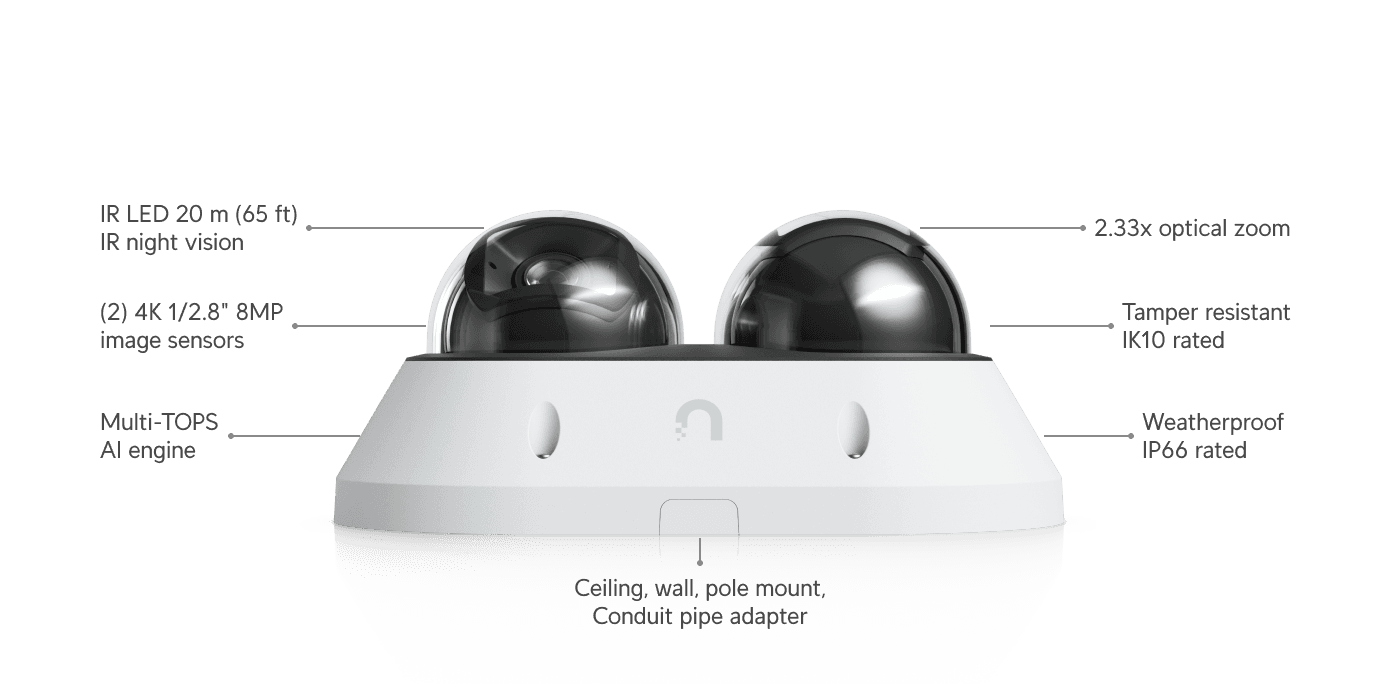
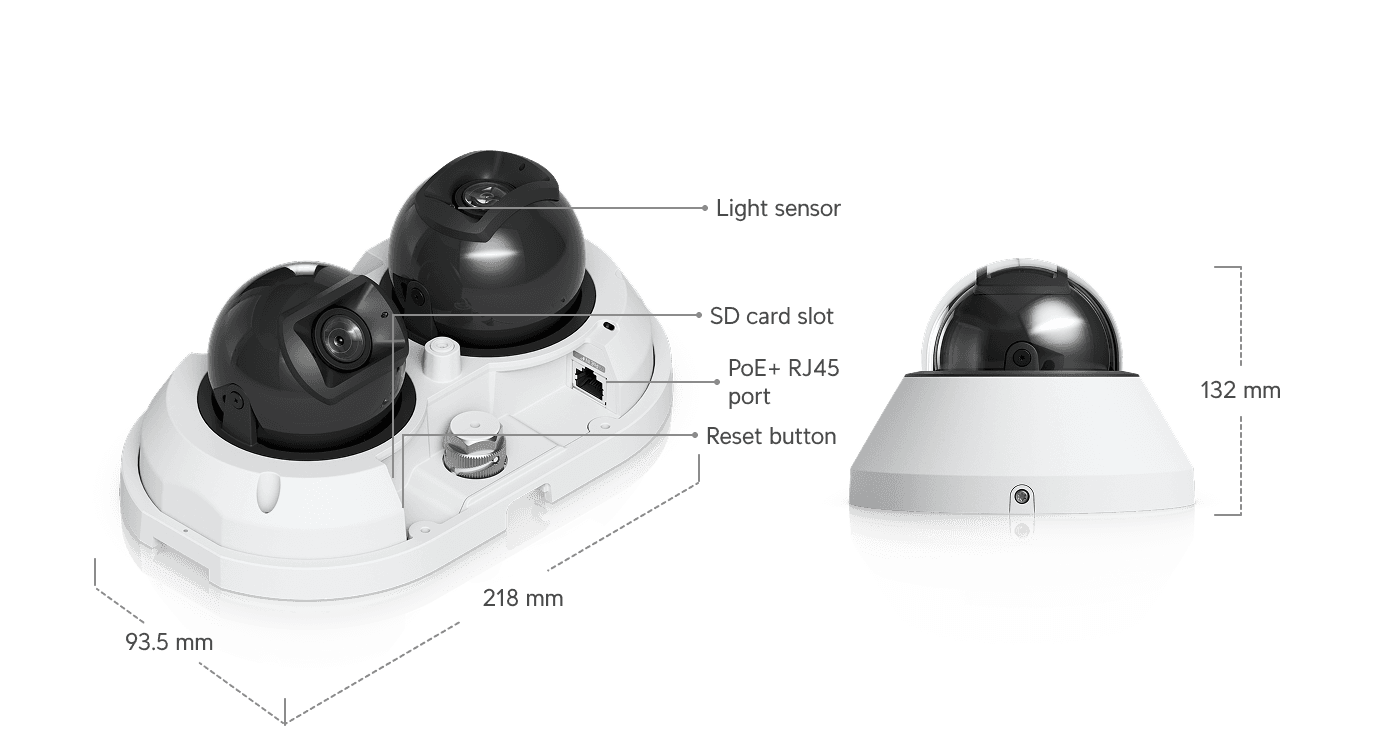
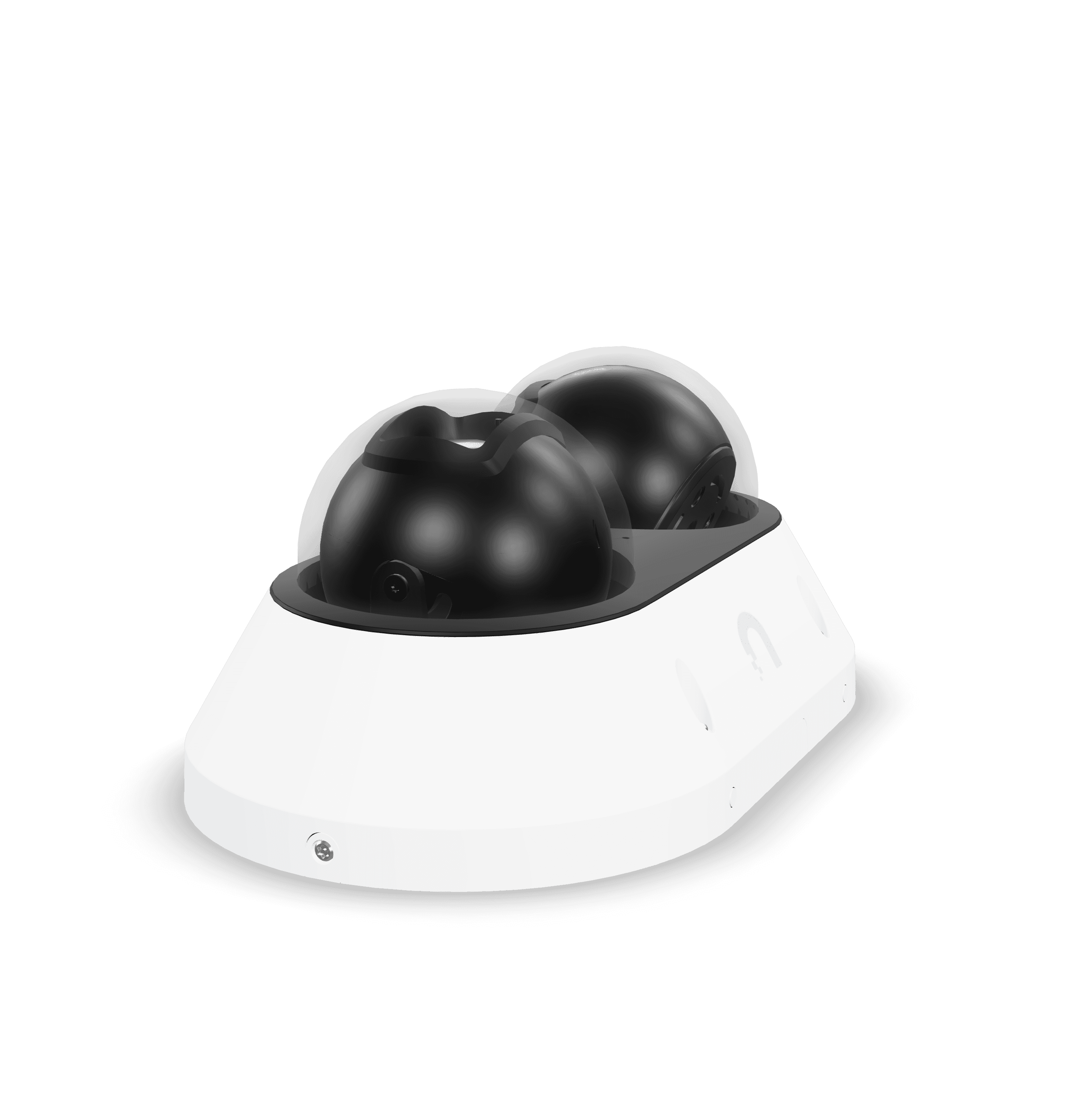
Ubiquiti has listed the AI Multi Sensor 2 (UVC-AI-MS-2-W) on its store, marking the company's latest entry into multi-sensor surveillance. Priced at $699 and slated for July 2026 availability, this dual-lens PoE+ camera targets installations where wide-area coverage and close-up detail traditionally require multiple camera drops. For low voltage contractors, it represents a legitimate design conversation about camera counts, power budgets, and UniFi Protect ecosystem planning.
What Makes the AI Multi Sensor 2 Different
The core proposition is straightforward: two independently adjustable lenses in a single all-weather housing. Each lens contributes to a combined 16MP sensor array, allowing integrators to cover, for example, a parking lot perimeter with one lens while the second focuses on an entry door or license plate capture zone.
This isn't Ubiquiti's first multi-sensor attempt, but the AI Multi Sensor 2 adds 2.33x optical zoom to each lens, 20-meter IR coverage, and what Ubiquiti calls a "Multi-TOPS AI engine" for on-camera analytics. The device requires PoE+ (802.3at) power and integrates exclusively with UniFi Protect, Ubiquiti's proprietary video management system.
Technical Specifications That Matter on the Job
For low voltage professionals planning camera deployments, several specs directly impact design and installation:
Power and Switching Infrastructure
PoE+ means 25.5W maximum draw per port. While actual consumption will vary based on IR usage and processing load, your switch budget must account for full PoE+ allocation. On a 370W switch, that's 14 ports maximum at full Class 4 power—fewer if you're already running PoE+ access points or other high-draw devices.
This matters when clients ask why they can't add "just one more camera" to an existing switch. The AI Multi Sensor 2 might replace two standard cameras in your design, but it won't reduce your power infrastructure requirements proportionally.
Lens Adjustment and Sightline Planning
Independent lens adjustment sounds convenient, but it complicates site surveys. You're not just finding one optimal camera position—you're finding a single mounting location that provides clear sightlines for two different coverage zones. Obstructions, lighting conditions, and IR reflection points must work for both lenses simultaneously.
The 2.33x optical zoom provides some flexibility, but it's modest compared to PTZ cameras or dedicated long-range fixed lenses. Expect this camera to work best in scenarios where both target areas fall within 30-50 feet of the mounting point, not for monitoring a building entrance and a far parking lot corner from the same device.
IR Coverage and Night Performance
The 20-meter IR specification is competitive for a multi-sensor design, but remember that effective IR range depends heavily on ambient light, surface reflectivity, and lens zoom level. When zoomed to 2.33x, usable IR range will decrease. This is physics, not a product limitation, but it affects how you position the camera and set client expectations for nighttime identification ranges.
Where This Camera Makes Sense (and Where It Doesn't)
The AI Multi Sensor 2 fits specific use cases better than others. It's strongest when you need:
- Dual coverage from a single mounting point: Building corners where two walls meet, T-intersections in hallways, or retail entrances where you want both the door and the checkout counter in frame
- Reduced cable runs in retrofit projects: When adding a second home run is expensive or impossible, one multi-sensor camera beats two singles
- All-weather exterior coverage: The weatherproof housing handles outdoor installations without additional enclosures
It's less ideal for:
- Long-range or telephoto applications: The 2.33x zoom won't replace dedicated 12mm or varifocal lenses for distant subjects
- PTZ replacement: Fixed lenses mean no post-installation coverage adjustments beyond the initial mechanical aim
- Mixed-ecosystem deployments: UniFi Protect lock-in is absolute—no ONVIF, no third-party VMS integration
The UniFi Protect Ecosystem Consideration
This camera requires a UniFi Protect controller—either a Cloud Key, Dream Machine, or Network Video Recorder from Ubiquiti. For contractors already standardized on UniFi Protect, the AI Multi Sensor 2 slots in seamlessly. For those running Milestone, Genetec, or other VMS platforms, it's a non-starter.
The Multi-TOPS AI engine enables on-camera analytics like person detection, vehicle detection, and object classification without cloud subscriptions. This is a genuine value proposition compared to systems that require per-camera licensing for smart detection. However, the analytics are only as good as UniFi Protect's software, which lags enterprise VMS platforms in features like custom zones, advanced forensic search, and third-party integration.
Installation and Design Implications
From a labor perspective, one camera drop is cheaper than two—but not by 50%. You still need one Cat6 run, one mounting surface prepared, one device configured, and one sightline survey. The savings come from eliminated materials (second camera, second mount, second cable) and slightly reduced pulling time.
The $699 price point positions this camera between mid-range single-sensor models ($200-$350) and true enterprise multi-sensors ($1,200+). Whether it's cost-effective depends on your specific project. If two standard 4MP cameras at $300 each would cover the same areas with better individual positioning flexibility, the multi-sensor doesn't save money. If you genuinely need dual coverage from a constrained mounting location, it becomes viable.
What This Means for Low Voltage Contractors
The AI Multi Sensor 2 is a tool, not a revolution. It solves real problems in specific scenarios—building corners, retrofit projects with limited infrastructure, and sites where running additional cable is prohibitively expensive. It doesn't eliminate the need for proper camera planning, and it introduces its own constraints around power budgeting and ecosystem lock-in.
For contractors quoting surveillance projects, this camera expands your design options. It doesn't simplify them. You'll still need to walk the site, map sightlines, calculate switch capacity, and set realistic expectations about what 16MP across two lenses actually delivers compared to two dedicated 8MP cameras.
The July 2026 availability gives you time to plan. If you're already in the UniFi Protect ecosystem and regularly encounter dual-coverage scenarios, put this on your quote templates. If you're platform-agnostic or primarily deploy long-range applications, it's probably not worth the mind share.
As always with Ubiquiti products, the value proposition depends entirely on whether the UniFi ecosystem aligns with your business model and client base. The hardware specs are competitive. The software ecosystem is the real decision point.
Join 35,000+ Low Voltage Pros
Get weekly permit updates, tool deals, job opportunities, and industry news. No spam, unsubscribe anytime.